
— Sides
Air Fryer Boiled Eggs: The Timing Guide for Soft, Medium, and Hard Centres
Boiled eggs cooked entirely in the air fryer — no pot, no water, no monitoring. At 120°C (250°F), the circulating heat is gentle enough to set the whites cleanly, and a mandatory ice bath stops the cook the moment the timer ends.
K
K.T. Tavelle
Developed for basket-style air fryers · 22 min · Serves 4 eggs
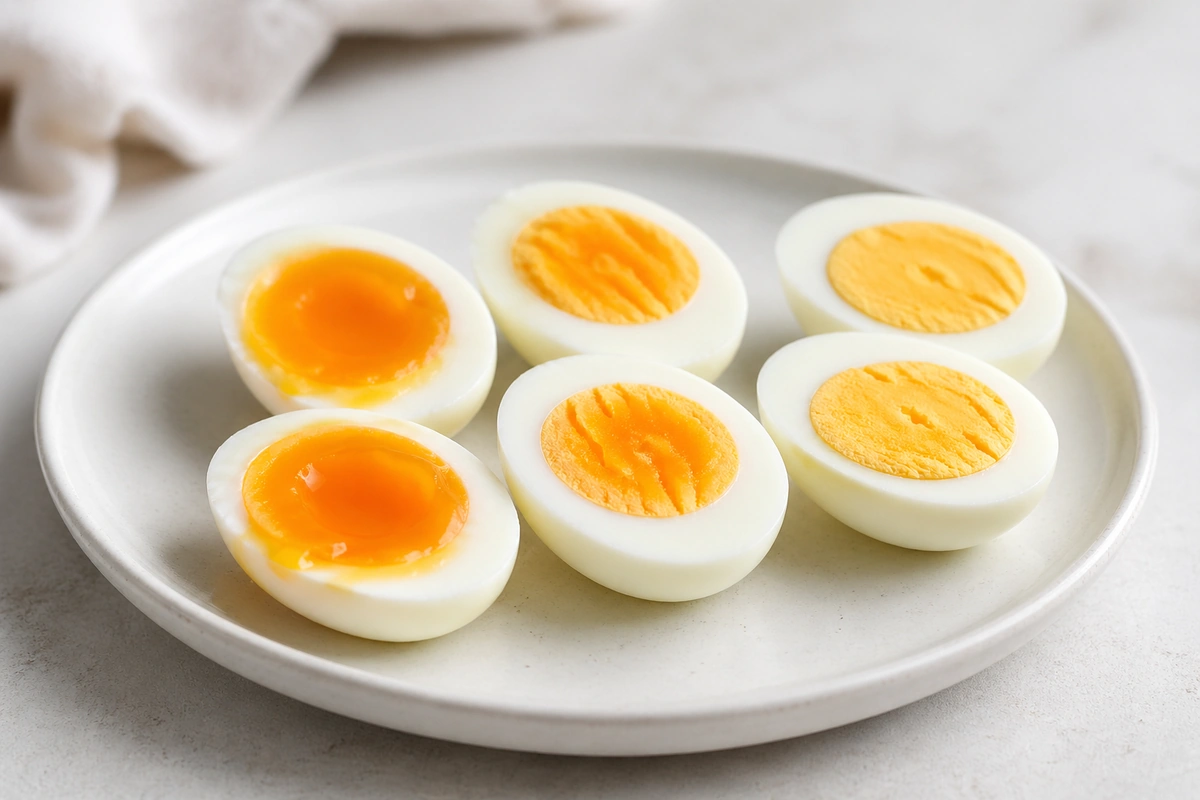
Most people reach for a pot of boiling water without thinking twice. The air fryer version skips the water entirely — eggs go straight into a cold basket, the timer does the work, and an ice bath locks in the result. Once you find the right minute for your specific appliance, it becomes the most repeatable method in the kitchen.
Worth Knowing Before You Cook
A common issue with this method is eggs cracking during the cycle. The most likely cause is a cold egg placed into a preheated basket — the sudden heat differential stresses the shell. For more consistent results, start with a cold air fryer and load the eggs before switching it on, or allow refrigerated eggs to sit at room temperature for five minutes first. Either approach gives the shell time to adjust gradually rather than experiencing an abrupt thermal shock.
Ingredients
Equipment
Method
- Fill a medium bowl with cold water and a generous amount of ice. Set it near the air fryer so it is ready when the timer ends.
- Arrange the eggs in a single layer inside a cold air fryer basket, leaving space around each one. Do not stack. Do not preheat the air fryer first.
- Air fry at 120°C (250°F) for your target doneness: 9-10 minutes for soft or jammy eggs, 12 minutes for medium eggs, or 15 minutes for hard eggs.
- Using tongs, transfer the eggs immediately into the ice bath. The eggs will be extremely hot, so handle with care.
- Rest the eggs in the ice bath for a full 5 minutes. This stops carryover cooking and helps the membrane beneath the shell contract for easier peeling.
- Tap the shell gently against a hard surface, then roll lightly before peeling under a thin stream of cold running water. Serve immediately or store in the fridge.
Notes
Why This Recipe Works
At 120°C (250°F), the air fryer runs cooler than a pot of boiling water — but its convective circulation is more intense, so this lower temperature mimics the effect of a gentle simmer rather than a hard boil.
- The lower temperature prevents rubbery whites and sulfurous yolks caused by excessive convective heat.
- Starting from a cold basket removes the need to preheat and reduces the risk of shell cracking from thermal shock.
- The mandatory ice bath stops carryover cooking immediately and contracts the membrane beneath the shell, making peeling significantly easier.
Pro Tips
- Always use large eggs (approx. 55g–60g). Smaller or larger eggs will affect timing.
- Do not preheat the air fryer. Starting from cold reduces the risk of shell cracking.
- Do not stack eggs. Air must circulate around each egg for even results.
- If your air fryer runs hot or is a smaller pod-style model, check one test egg at 11 minutes on your first run and adjust by ±1 minute.
What Can Go Wrong
The whites are rubbery
The temperature was too high or the eggs were left in too long. Stick to 120°C (250°F) and pull at or before the 15-minute mark for hard eggs.
The eggs cracked in the basket
Cold eggs were loaded into a preheated fryer. Start with a cold basket, or let refrigerated eggs sit for five minutes at room temperature before cooking.
Brown spots or freckles on the shell
Residual grease or food debris in the basket was circulated onto the shells by the fan. Clean and dry the basket thoroughly before starting.
Doneness varies between batches
This is normal across different air fryer models and wattages. Standardise your starting point — always cold basket, eggs straight from the fridge or always rested — then adjust by ±1 minute until you find the right time for your specific appliance.
The yolk has a grey-green ring
The eggs were overcooked or not cooled quickly enough. The ice bath is not optional; skip it and carryover heat will continue setting the yolk past the target.
Storage & Reheating
Peeled eggs should be stored in an airtight container in the fridge and used within 3 days. Unpeeled eggs keep slightly longer — up to 5 days refrigerated. Do not store boiled eggs at room temperature for more than 2 hours.
Air fryer boiled eggs are best eaten cold or at room temperature. If you prefer them warm, place unpeeled eggs in the air fryer at 120°C (250°F) for 3–4 minutes. Do not exceed this, as reheating further will continue cooking the yolk and alter the texture you set during the original cook.
Related Guides
- Air Fryer Temperature & Cooking Times Chart — useful if you want one timing reference for eggs and other everyday air fryer foods.
- Air Fryer Cheat Sheet — a quick-reference guide for common air fryer temperatures and times.
FAQ
Do I need to preheat the air fryer before cooking the eggs?
No. Starting with a cold basket is part of the method. Loading cold eggs into a preheated air fryer causes thermal shock that can crack the shells. Always place the eggs in a cold basket and switch the fryer on from there.
Can I skip the ice bath?
No — the ice bath is mandatory, not optional. Without it, carryover heat continues cooking the yolk after the timer ends, which can push a medium egg toward hard or produce the grey-green ring around a hard yolk. Five minutes in ice water stops the cook completely and makes peeling significantly easier.
My doneness varies between batches. What should I adjust?
This is normal across different air fryer models and wattages. The fix is to standardise your starting point — always cold basket, eggs always straight from the fridge or always rested at room temperature — and then adjust by ±1 minute until you find the right time for your specific appliance. Run a single test egg at 11 minutes on your first attempt if you are unsure.
— Gear
What I Used
The tools that make this recipe work consistently. Affiliate links — see disclosure.
Basket-Style Air Fryer
A standard 4L–6L basket fryer works well here. No liner, rack, or oil is required. If you are choosing a model, see our best air fryer overall guide.
Silicone-Tipped Kitchen Tongs
Useful for moving the hot eggs directly into the ice bath without burning your hands. Standard tongs can do the job, but silicone tips grip the shells gently and avoid dragging exposed metal across the coated basket. See our recommended silicone-tipped tongs →
Digital Kitchen Timer
Useful for repeating the same doneness once you find the right timing for your air fryer. A dedicated timer is more reliable than relying on the appliance display alone.
— Keep Cooking
You Might Also Like
-
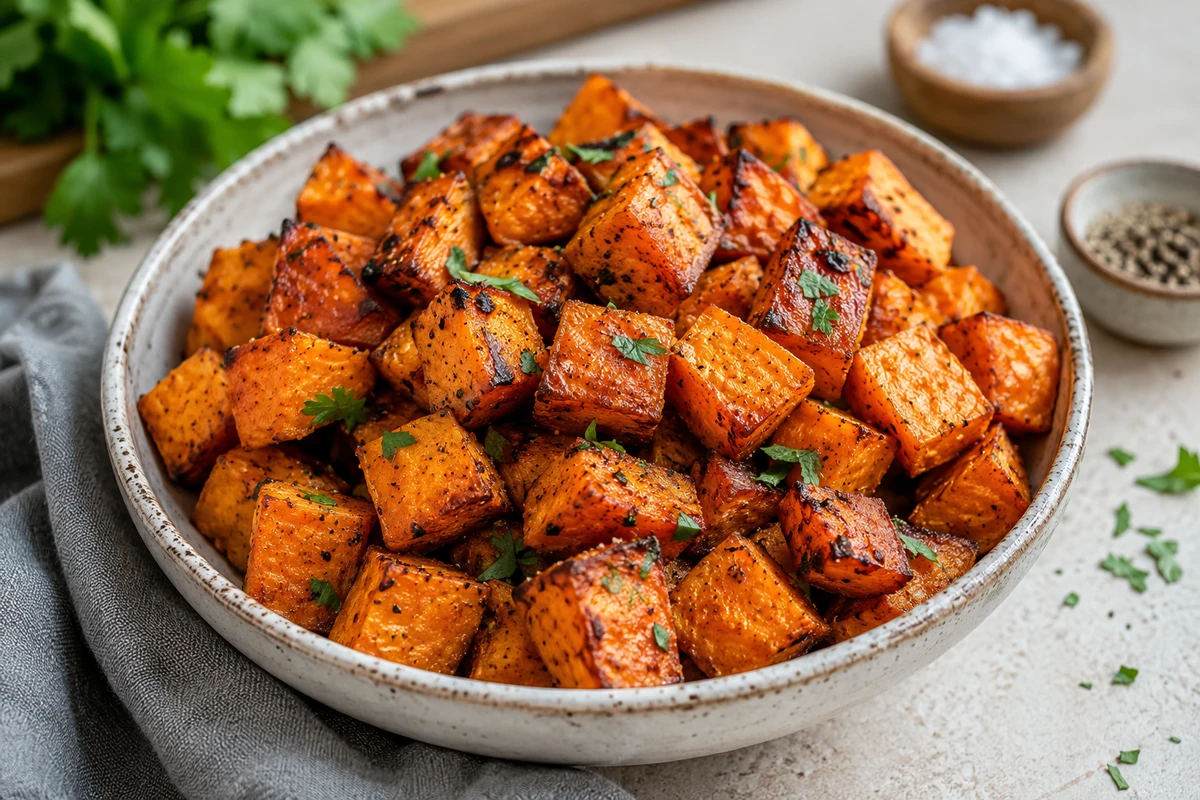
Air Fryer Sweet Potato
Cook sweet potato three ways in the air fryer: caramelised cubes, tender halves or a fluffy whole bake. Use one temperature with cut-specific timings.
-
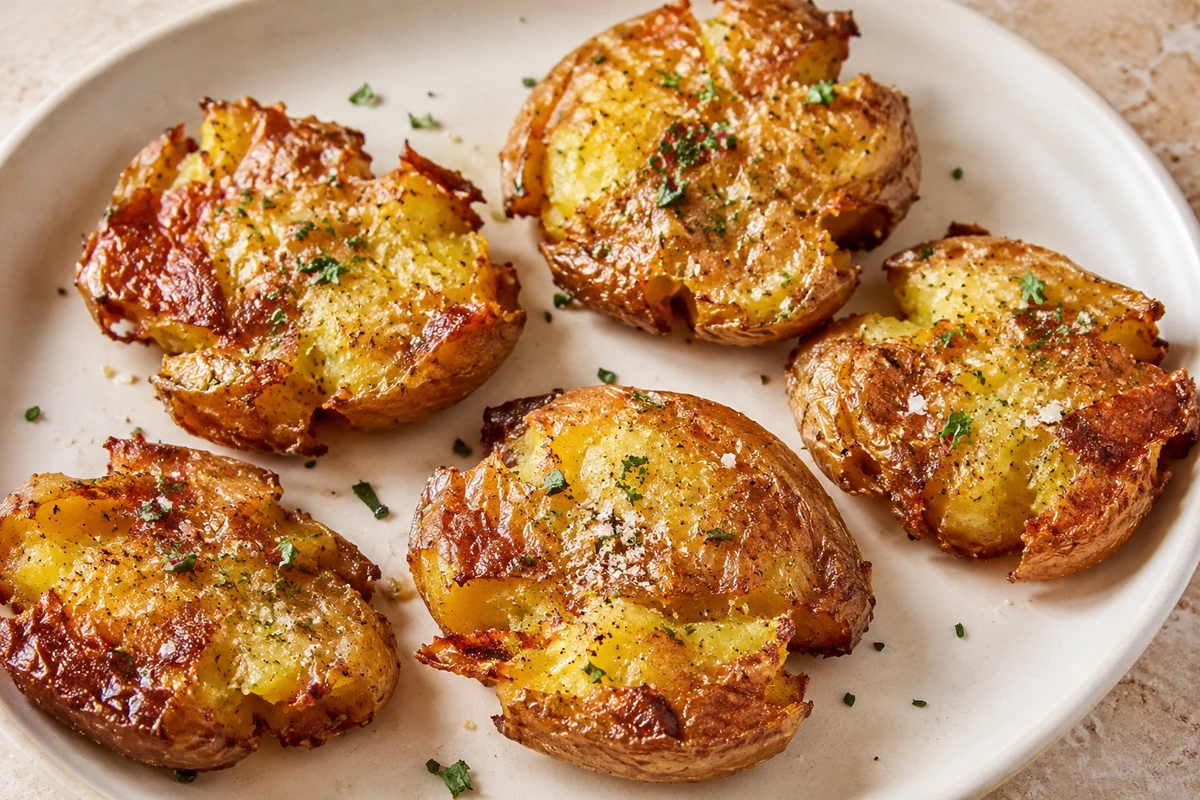
Air Fryer Smashed Potatoes
These air fryer smashed potatoes skip the boiling step. A quick microwave par-cook softens the centres, then the air fryer crisps the craggy edges in a hot basket.
-
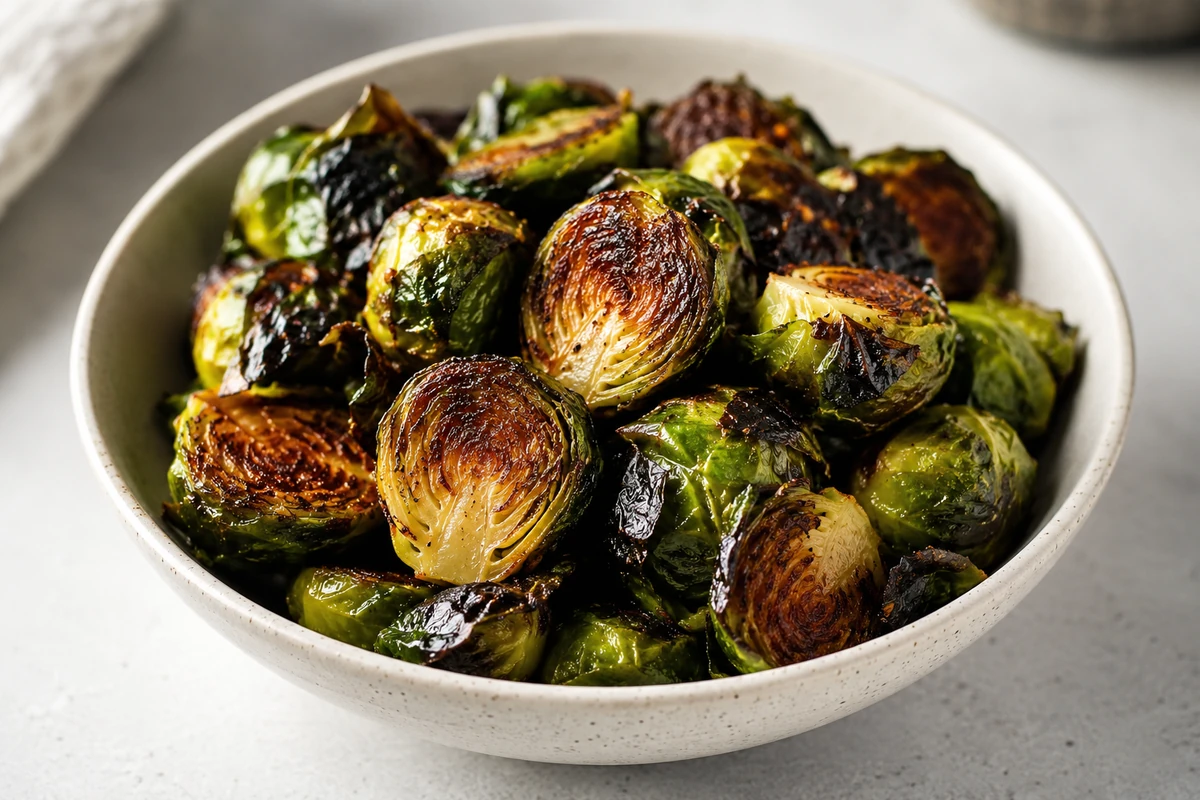
Air Fryer Brussels Sprouts
A vegetable staple recipe that broadens the recipe library beyond proteins and frozen foods.
— Stay in the Loop
New recipes every week
No fluff. Just crisp, practical kitchen inspiration in your inbox.